We only know how to build it one way.
It started because we couldn't buy a table.
In 2015 one of us spent four months trying to buy a dining table that wasn't veneer over particleboard. Everything under $2,000 was either imported flat-pack with a two-year lifespan, or a design-studio piece priced like a used car.
So we called a mill in Pennsylvania, bought 400 board feet of white oak, and built one in a rented garage in NoDa. It took three weekends and we made every mistake available. The second one took one weekend.
Eleven years later we're still doing it the same way, just with better tools, a proper dust system, and a crew of six who actually care whether the drawer closes with one finger.
Four steps, none of them skippable
Milled, not shipped green
Lumber is kiln-dried to 7% moisture and rested for three weeks before it touches a saw. Wood that moves after assembly is wood that cracks in February.
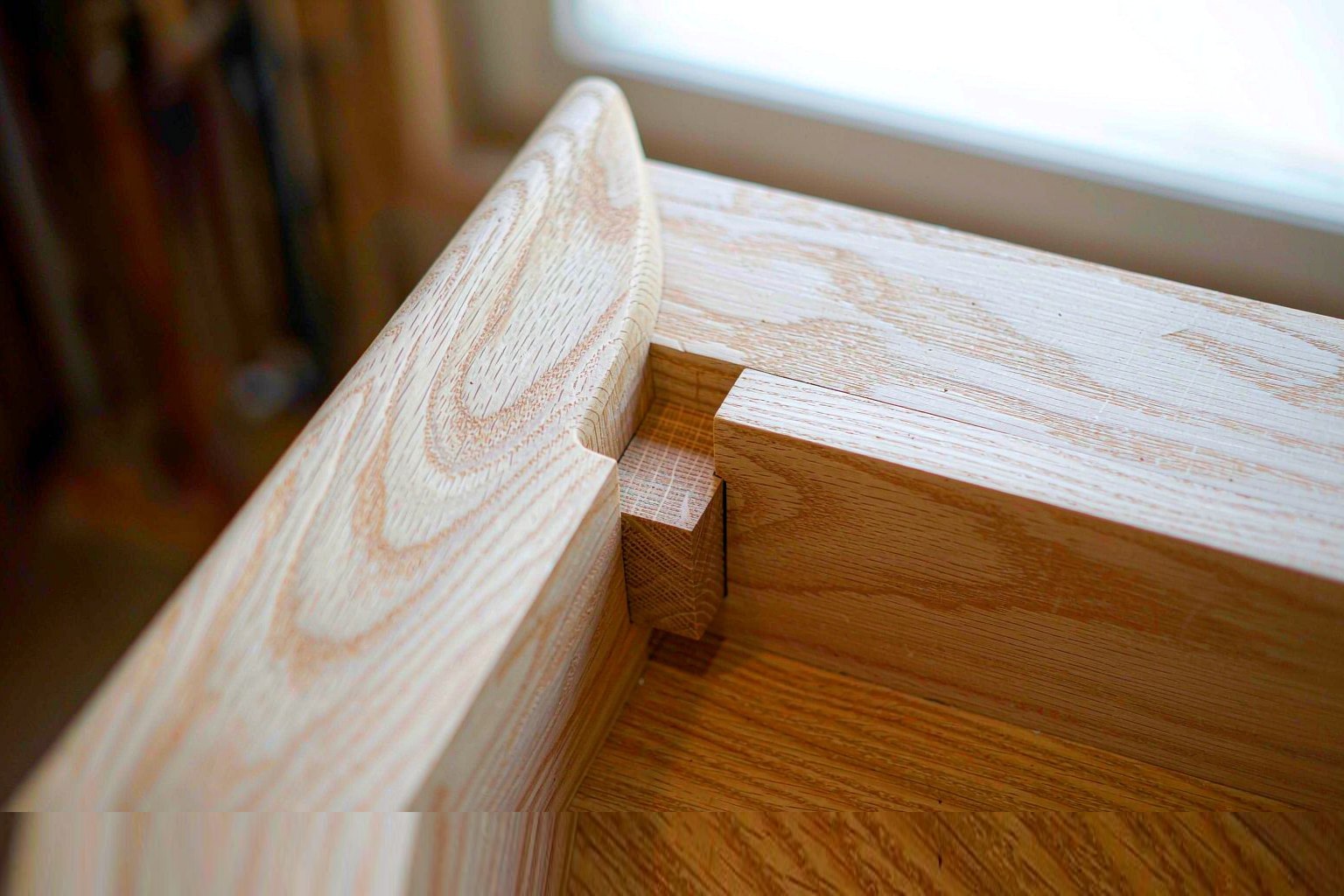
Cut joints, then dry-fit
Every frame is assembled without glue first. If a joint needs a clamp to close, it gets re-cut. Glue is the last thing that happens, not the thing holding it together.
Oiled by hand
Hardwax oil, three coats, hand-buffed between each. It soaks into the grain instead of sitting on top of it — which is why a scratch can be repaired instead of refinished.
Sit on it for a week
Finished pieces live in the shop for a week. Someone sits in every chair. Every drawer gets opened two hundred times. Then it's crated and sent out.
We'd rather tell you than make you guess.
Most furniture at this price is imported, warehoused, and marked up three times. Here's the actual split on a $1,580 dining table:
"Everything else" is the shop rent, insurance, the two people who answer your emails, and a margin thin enough that we notice when walnut goes up 12% a board foot.
We don't run seasonal sales because the price is the price. If we discounted 30% in November, we'd have been overcharging you in June.